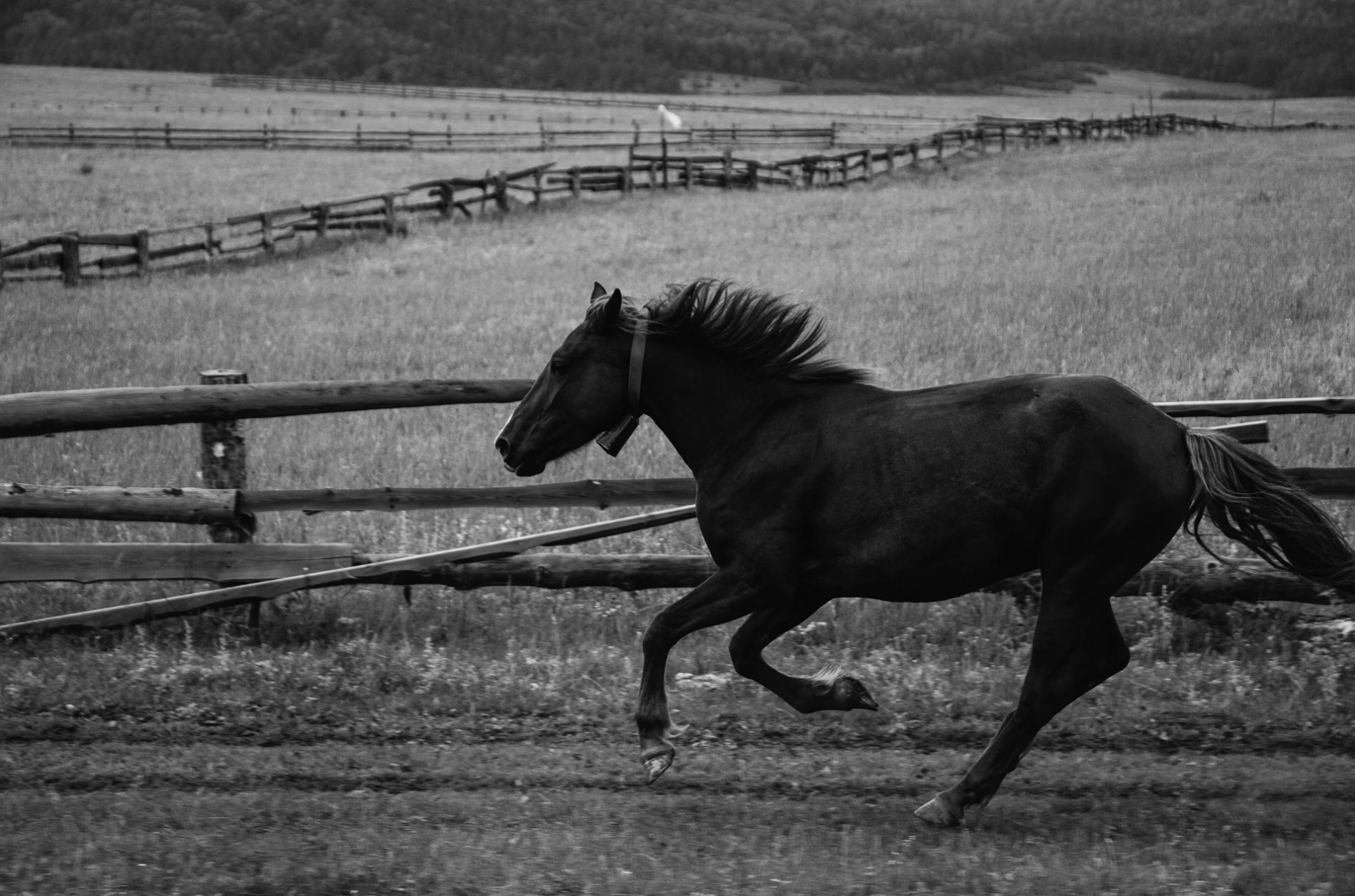
The 1990s were a time of deeply human songwriting connected well with the human experience, and we see this play out in Amanda Marshall’s song “Dark Horse.”
The song invites us into the experience of young love—its immediacy and intimacy and bright hope.
The lyrics are evocative, placing us right in the scene with the young lovers who are placing their hopes in a love that is already full of challenges and contradictions:
Indian summer
Abilene
You were new in town, I was 19
And sparks flew
They called us crazy behind our backs
“Romantic fools”
We just let them laugh, because we knew
It may be a long shot
We may get lonely down the line
Love knows no reason
And I won’t let ’em make up my mind
My money’s riding on this dark horse, baby
My heart is saying it’s the lucky one
And its true color’s gonna shine through someday
If we let this, let this dark horse run
The song is due for a revival, as so much of the culture pits men against women and vice versa, and is so jaded about romantic love, especially in the young. Here we see no promise of outcome and don’t get the ending to the story, but we see the beauty and vitality and courage present in the protagonist’s willingness to take the risk necessary for love to have any hope of becoming what it is meant to be. There is no guarantee it will work out, but we can be certain it won’t work out if no courageous attempt is ever made.
This love is, as the bridge says, “so rare” and “so sweet” and the compelling motion of the heart to another should be honored and trusted rather than overridden too much by the many reasons we can allow our own jadedness to reach in. Marshall refers to this process of risk in love as something “sacred” and “worth this kind of fight,” accepting that pleasing everyone is impossible. For anything good and real to take root, we have to be detached from the opinions of others and throw ourselves into possibility.
The song is singable, but strong melodically as well, and notably more complex than the current offers within most popular songs, and what stands out in a particular way is how compelling the instrumentation of that period was—especially the drums which feel so much more human than the click-track norm we find in almost everything produced today. The slight give within the band and Marshall’s voice itself—permitted to be slightly imperfect—grants it a human texture that keeps the listener returning again and again to the track.
We can feel in listening that the “stars are brighter” when viewed through a lens of young love, and we would all do well to revisit this beautiful, natural kindling of the human heart which seems so lost in our age. Whether or not romantic love is available to us for a variety of reasons, we can allow ourselves to be moved and inspired by the emotional content of the song, calling us into a deeper and less reserved experience of existence.
Because I tend to sing the songs I love a lot, a few years back I did record a cover of it: