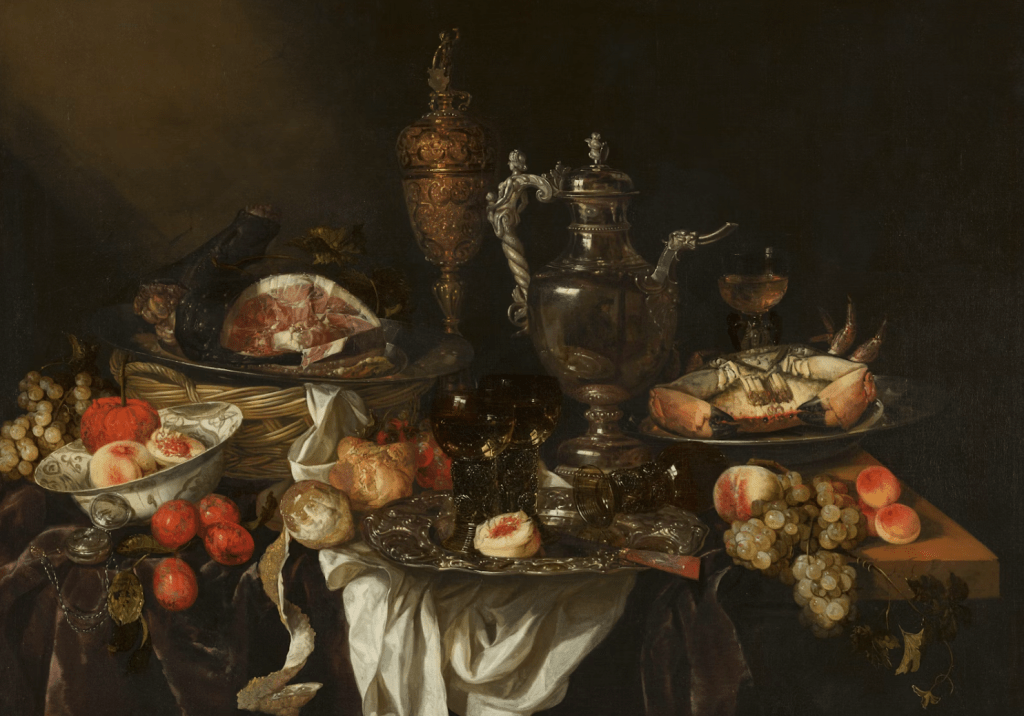
Babette’s Feast, the 1987 cult classic Danish film by Gabriel Axel set in the harsh but charming backdrop of 19th Century ascetic Protestantism, is a profoundly moving and delightful film about beauty, desire, and deep humanity.
Requiring a tolerance for subtitles among the English audience, this component lends itself perhaps even more deeply to the contemplative draw of the film.
The plot turns on two devout, unmarried Protestant sisters, who are known for their discipline, charity, and deeply lived faith in the tradition of their father’s pastoral work. The aesthetic of the film captures this well, with Denmark’s jokingly “cold Hawaii” stark identity coming through as the sisters smoke fish and make daily penitential soup from soaked hard tack bread and beer.
Never is their devotion derided, despite its starkness and sometimes inherent comedy, which the film gently reveals. Instead, one sees pure hearts of love emerge in response to lives willingly retracted from the many invitations to the pleasures of the world.
This same quality of character is what compels them to allow a fleeing French woman—who would have been known to be Catholic and a papist, and thus perhaps as good or worse than a pagan—to stay and cook for them. They cannot pay her, but she, having nowhere else to go, begs to simply stay and work with no compensation. The sisters agree.
What unfolds is a beautiful, playful paradox over their years together, with Babette and the sisters living out quiet, humble faithfulness together, without judgment and with a sincere and beautiful mutual dependence, particularly as the sisters age.
This paradox culminates in Babette’s feast at the end of the film.
Babette’s only path back to her former life, featured throughout the story, is a lottery ticket, renewed yearly by her Parisian friend. One day, she wins—with the weight of the coming departure evidently hitting all of them. They have been bonded in their shared life together in charity and love, and there is a clear sadness in all parties
Babette offers, in celebration and, one assumes, as a final gift before departure, to cook the sisters a celebratory “real French” dinner. The sisters hesitatingly agree, with their ongoing chosen asceticism top of mind.
The film must be watched to be fully experienced but what transpires reveals in the deep contrast of the characters the value of both enduring self-sacrifice, and beautiful and extravagant abundance.
What is particularly notable is that none of the women is proposed as superior in the heart of the film, but instead presents structure and fullness, sacrifice and beauty, littleness and extravagance as complementary forces. One sees elements of fulfillment in the women as they relate to one another, and especially in the apex plot point at the meal.
If someone wants a chance to experience the joy and fullness available in lives well-lived, Babette’s Feast is a must-watch, remaining a classic many decades down.
 beautyrebuild.com